
Real estate accounting and reporting 2022

Monitoring federal and state tax amendments and understanding property tax implications are crucial. Keeping abreast of deductions and credits https://www.bookstime.com/ ensures that businesses optimize their tax strategies. Continuous improvement and adaptability are essential for modern real estate accounting.
Prepare early for tax season.
- Zoho Books aced our rubric in accounting features and also scored high for customer service and ease of use.
- For real estate professionals, eliminating bottlenecks is crucial.
- Ensuring transaction oversight is crucial for accurate financial reporting.
- For agents, efficient expense management, powered by robust real estate accounting, is crucial for business sustainability.
For example, marketing technology used by real estate agents include website builders, video creation tools and email marketing software. Bench is not real estate accounting software but it can be used in place of one for real estate professionals looking for an easy way to keep their books each month. The company offers assistance with quarterly tax preparation and filings, applying for loans, bookkeeping and even bookkeeping catch-up services. Most have a return that is too complex or time consuming to do themselves, but some just want the peace-of-mind knowing a tax accountant is handling it for them. For example, households with more than one W2, freelance or consulting jobs, interest, dividends, stock sales, real estate investments, etc.
- It ensures that they can focus on their core business activities, confident that their accounting needs are met.
- Training sessions offer insights into the importance of consistency.
- Training sessions offer insights into the importance of budgeting and forecasting.
- Training sessions offer insights into bank reconciliation techniques.
- This involves continuous training, evaluating new software releases, and adapting to evolving industry standards.
Common Real Estate Accounting Mistakes
Training sessions and workshops can further enhance their accounting skills. Ultimately, a solid accounting foundation is crucial for individual investors aiming for a successful real estate business. Every industry has its specific reporting needs, and real estate is no exception. Specialized accounting systems offer templates tailored for property management.
What are the Challenges in Real Estate Bookkeeping?
From rental incomes to capital expenditures, the diversity is vast. Managing this volume and diversity is a primary challenge in real estate accounting. Real estate accounting real estate accounting caters to a broad audience, each with distinct needs. Property owners require it for financial oversight, while real estate professionals leverage it for strategic planning.
They ensure compliance with financial regulations, prepare financial statements, and offer strategic advice on investments and tax planning. Real estate professionals often overlook deductible expenses, leading to higher tax liabilities. Common deductible expenses include property management investments, maintenance, repairs, and marketing expenses. Failing to track these expenses diligently can lead to missed opportunities for tax savings.
Real estate accounting involves recording, analyzing, and reporting financial transactions related to properties. It’s the backbone of a successful real estate business, guiding financial decisions and strategies. This domain ensures that all financial activities align with industry regulations and standards. The best part of Bench’s services is that, unlike real estate accounting software, there is no learning curve. Then, its dedicated team of bookkeepers, tax experts and small business professionals take over from there to get you caught up and all your essential filings prepared and done. It will even offer you one month of services for free, complete with financial statements you can keep.
Addressing Accounting Needs in Real Estate Business
Regular audits ensure that financial data is accurate and aligned with industry standards. Training sessions can ensure that all team members are prepared for audits and understand their implications. Moreover, clear protocols ensure that audits are conducted transparently and ethically. Furthermore, audits provide insights into areas of improvement and best practices. Financial reporting provides a snapshot of a property’s financial health.

Real Estate Accounting Basics – What to Track
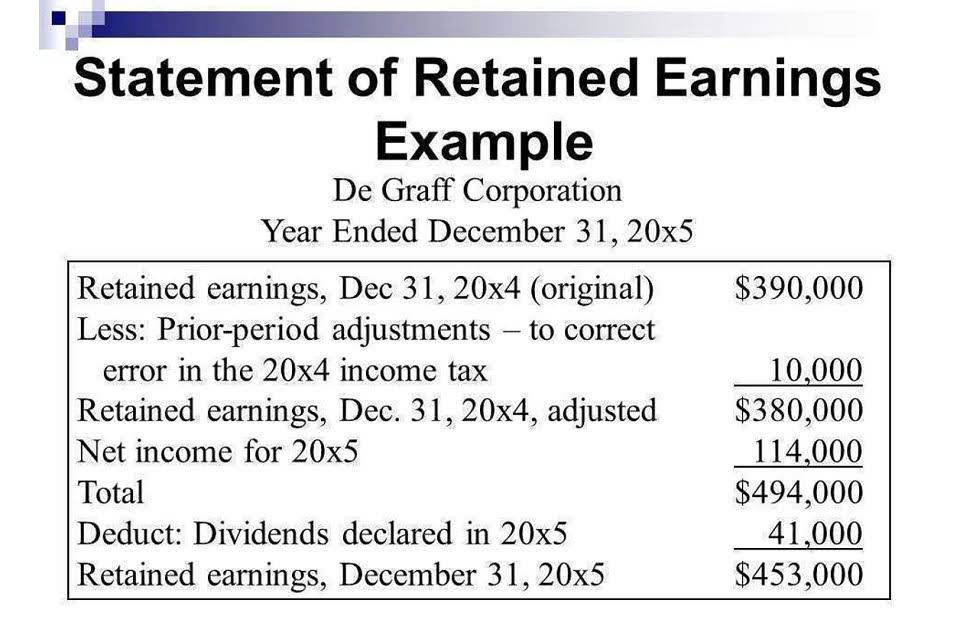
Real estate accounting offers them tools to analyze property valuations, rental incomes, and market demand. Regular financial reviews ensure that their analyses are up-to-date and relevant. Training sessions and workshops further enhance their analytical skills. Advanced real estate accounting software, with AI-powered analytics, offers consultants a competitive edge. Ultimately, for consultants, a deep understanding of real estate accounting is crucial for credibility and client trust. Every property transaction, whether a sale or lease, has financial implications.

The Rise of Accounting Software